Our Stone Milling Process
While the various processes employed during the conversion of grain to flour have become many and varied, and keep evolving, nostalgia abounds for elements of our heritage that have been lost, and there inevitably remains a degree of nostalgia associated with the traditional stone grinding milling process.
Stone grinding by its very nature imparts some unique characteristics to the ground product, and these characteristics also influence the baking process and create a differentiated final baked product. Stone milled flour inevitably includes more of the germ as small particles, more of the aleurone layer, more of the branny layers, and the endosperm chunks are larger and more uneven. Carefully milled, stoneground flour can create a nutritious, enzyme-rich and high-ash flour for use by specialist bakers.
Laucke produce a range of Stoneground Flours by the careful grinding of selected grains using stone grinding mills.
To optimise baking performance, carefully controlled stone grinding of the grain is performed in conjunction with all other essential elements of our sophisticated processes of flour production, ensuring that the defining characteristics of traditional stone milling are achieved whilst losing none of the safety and quality advantages that are inherent with our modern milling methods and systems.STONE MILLING
-
GRAIN SOURCING
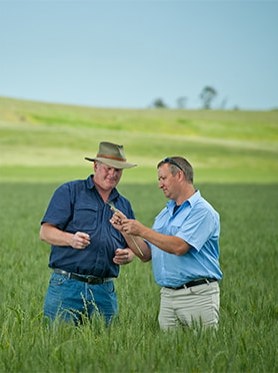
Grain is a Variety-based crop that is seasonally grown and harvested annually, and which varies in quality according to the genetically conferred attributes of the grain Variety, the intrinsic nature of the soil and region, and the seasonal effects on the growing environment. Each parcel of grain is unique, and has the potential to confer unique characteristics to the Flour created from it.
All our farmer partners employ farming methods that seek to preserve and improve the integrity and fertility of their soils and the local environment for themselves and their future generations, where such practices are commonly referred to with Organic, Sustainable and Regenerative Agriculture Systems. This close partnership and our quality control systems allow us to be able to trace the content of every batch of flour back to the grain grown and sourced from every farm.
-
GRAIN CLEANING & CONDITIONING
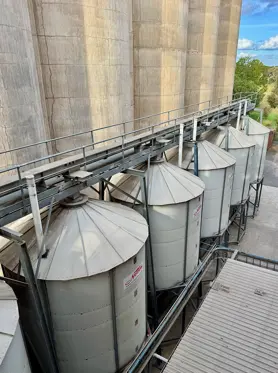
Farmers clean the grain as they reap it. Millers clean the grain as they receive it and again clean the grain before they mill it. Mill Cleaning is an intensive and multi-step process, intended to remove any foreign or unsuitable seeds, un-millable material; and any biological and physical contaminants.
Water is utilised to progressively Condition and Temper the grain in multiple steps over several days. With grain Conditioning, we seek to make the Branny outer layers of the grain more flexible and readily separable from the endosperm. With grain Tempering, we seek to modify the crystalline matrix that binds the endosperm such that, when ground, the complex carbohydrate provides the intended rate of water absorption and rate of fermentation when utilised as flour within a dough.

-
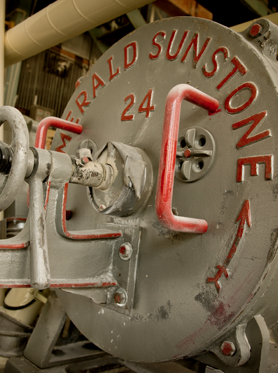
STONE GRINDING
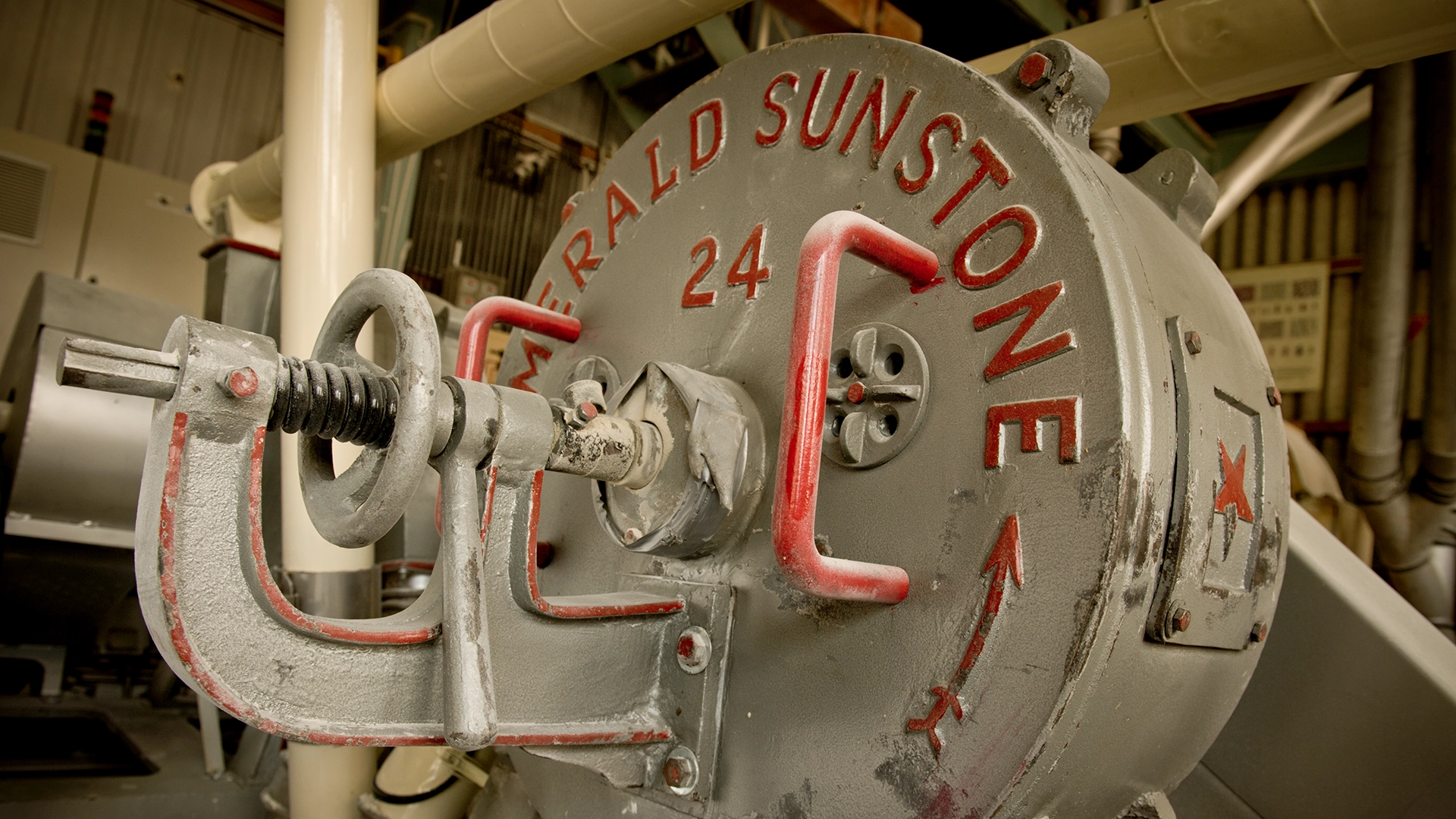
As has been traditionally employed for thousands of years, grain is cleaned to some degree and dry-ground between fluted stones in a single pass. With our milling process, such grain is properly cleaned and tempered and fed in to grinding stones that are set up so as to achieve the optimum grinding outcome.
With such grain tempering and grinding setup, bran and germ is minimally damaged by the stones, and semolinas and flour are released with minimal heat generation and retention. Due to the high shear forces generated by the stones, incorporated within the flour are relatively more of all the components of the grain, such as high levels of germ and small particles of the branny outer layers of the grain, which complement the traditional forms of creating breads by the Sourdough method.
However, due to the inherent limitations associated with Stone Grinding, the extraction of a reasonable amount of high quality flour is difficult to achieve at high throughput rates.
Stone Ground Wholemeal is traditionally created by grinding grain just once with one grinding pass through Stones, and no Sifting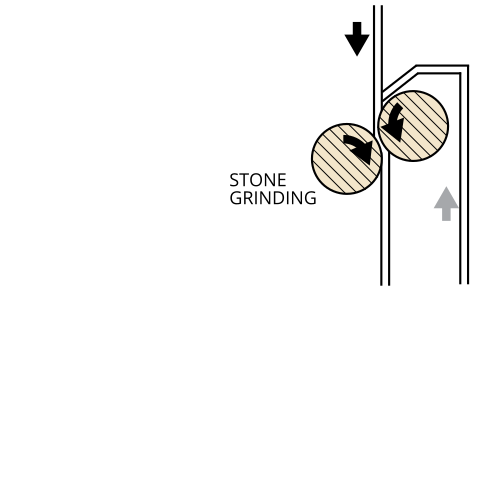
-
SIFTING TO CREATE ATTA FLOUR
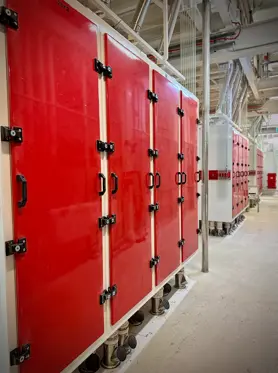
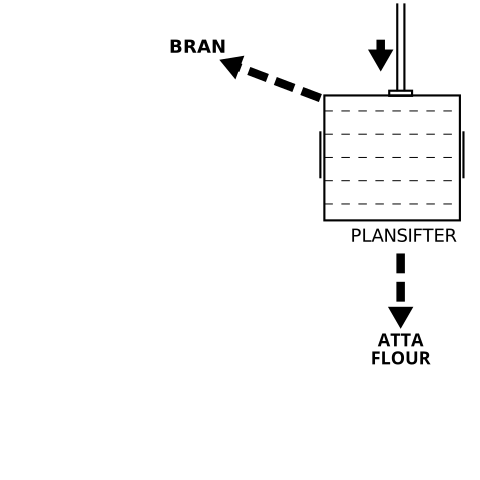
Communities around the world still continue to utilise minimally-processed Stone Ground flours such as the various Atta flours as created by different methods, where such traditionally milled Grain is sifted after Stone grinding to remove the largest Bran flakes, and that which passes through the sieve is called “Atta Flour”.
Our Milling and Stone Grinding processes are configurable, and we are able to replicate the traditional milling and sifting processes so as to achieve extremely high quality Atta Flour in conformance with traditional Community expectations.
Other Stone Ground flours require further sifting and purifying. These follow the process shown in Step 5 and, for some, Step 6 below.
-
SIFTING TO CREATE VARIOUS FLOURS
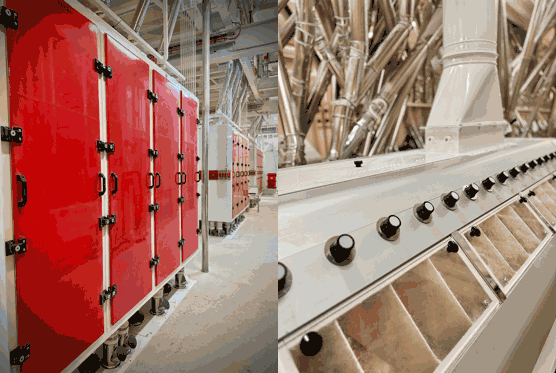
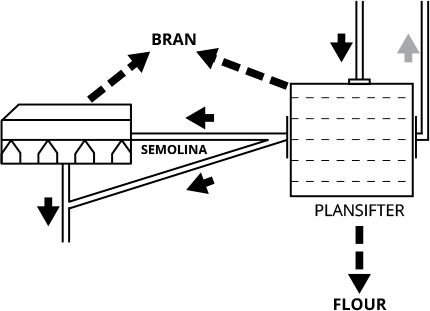
Stone Grinding is good at performing the Coarse Grinding of grain, but does a very poor job of Fine Grinding to convert semolina to flour. Therefore, with simple Stone Grinding, a similarly simple Sifting process provides flour with coarse texture and not much of it.
When the intensity of Stone Grinding is increased in an attempt to create more flour, then the flour as produced is subject to increasing levels of grinding and heat damage and is of poorer quality.
Within our modern Mills, by varying the intensity of the Stone Grinding, and with consequent Sifting modifications, we are able to create various stone ground Flours of differing specifications by Sifting sift off the semolinas and flour created by our Stone Mills. We can then choose to optimise flour quality by Fine Grinding the Stone Ground semolinas using the Reduction rolls available to our Milling Process.
-
OPTIONAL FINE GRINDING WITH ROLLERS
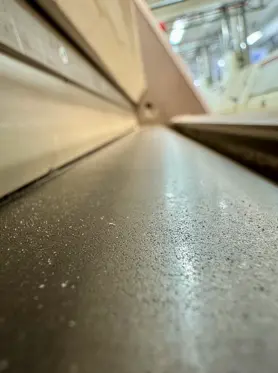
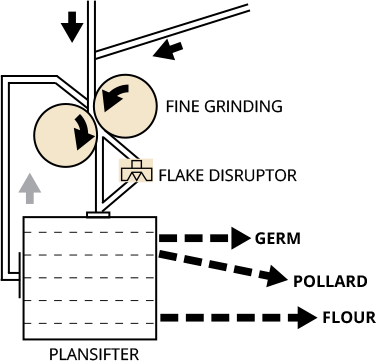
Using the optionally available Fine Grinding Reduction Rollers to complement the efforts of the Stone Grinding to create flour, semolina as liberated by the Stones is progressively ground to flour with minimal energy input, less generated heat, and minimal disruption to the germ and bran.
With more uniform, smaller particle size and minimal contamination, better quality flour is created that has much more predictable dough water absorption and fermentation characteristics.
-
STREAMING OF PRODUCT & PACKING
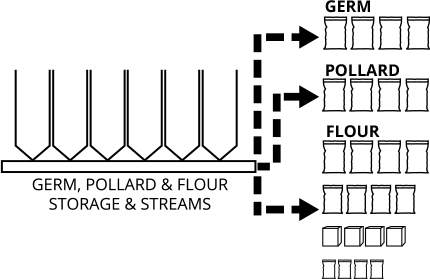
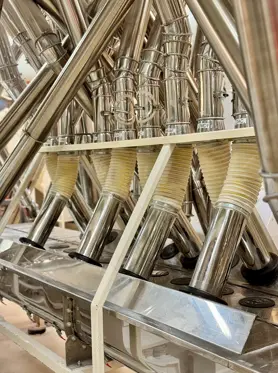
After “enough” Grinding and Sifting, multiple streams of the various components of the grain are created. Selected streams of like product are combined, such that individual streams of Semolina, and Flour, and Germ, and Bran, and Pollard can all flow out of the Mill and be stored and then packed in to suitable containers for provision to customers.