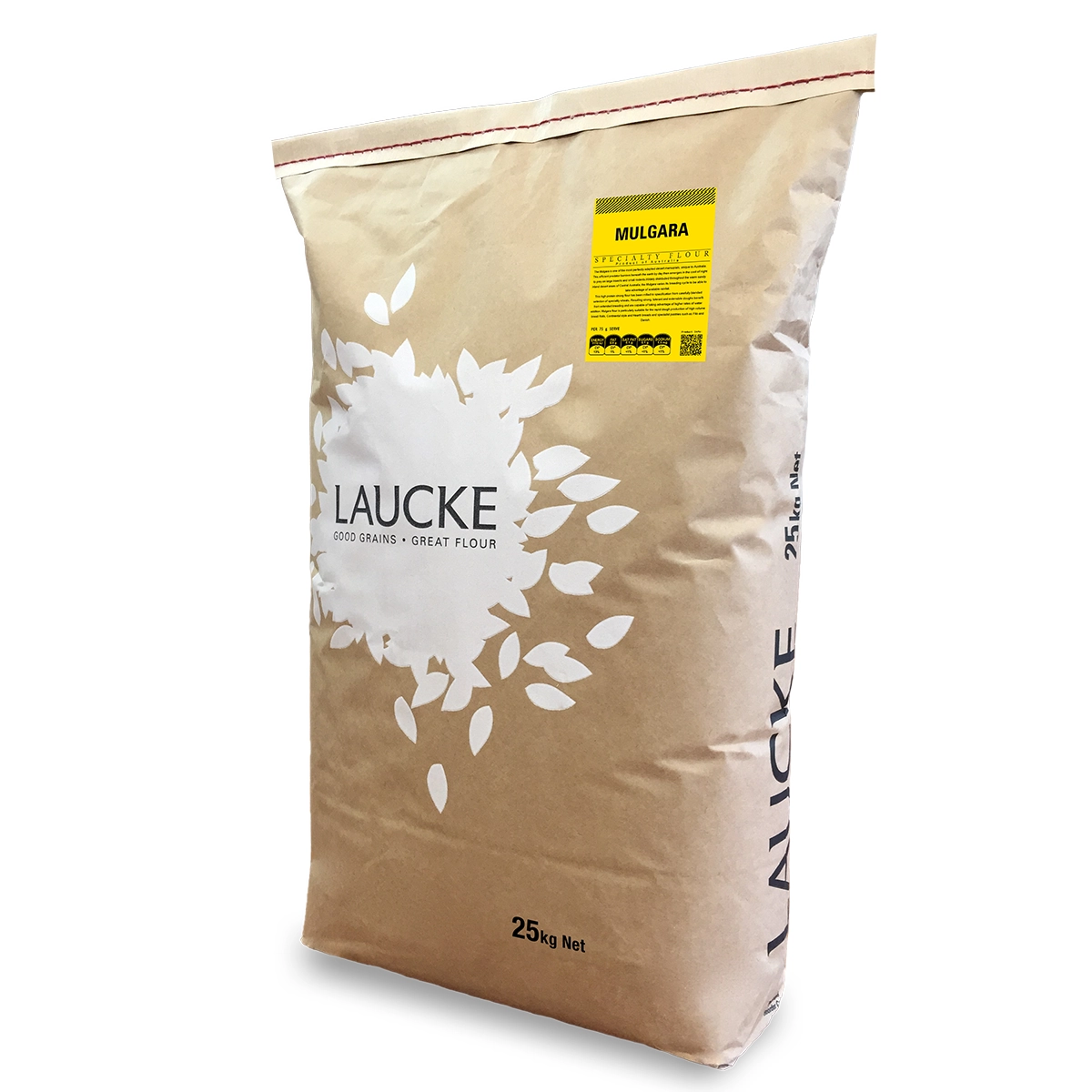
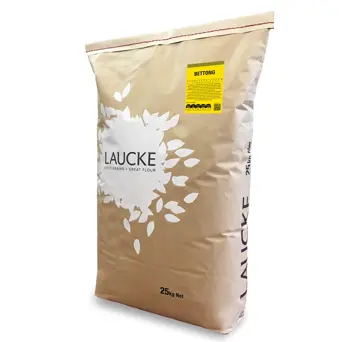
Mulgara Flour 25kg

Mulgara Flour 25kg

SKU 11483

This high protein “strong” flour has been milled to specification from a carefully blended selection of speciality wheats, to give strong, tolerant and extensible doughs. This flour is particularly suitable for high volume rolls, Continental breads and specialist pastries such as Filo and Danish.

Size: 25kg
  • Description

    The Mulgara is one of the most perfectly adapted desert marsupials. This efficient predator burrows beneath the earth by day then emerges in the cool of night to prey on large insects and small rodents. Widely distributed throughout the warm sandy inland desert areas of Central Australia, the Mulgara varies its breeding cycle to be able to take advantage of available rainfall.

    This high protein “strong” flour has been milled to specification from a carefully blended selection of speciality wheats, to give strong, tolerant and extensible doughs. This flour is particularly suitable for high volume rolls, Continental breads and specialist pastries such as Filo and Danish.

  • Pack Specs

    Shipping Carton:

    • Weight: 25.5 kg
    • Width: 50 cm
    • Height: 55 cm
    • Depth: 15 cm
  • Returns

    If in consultation with our customer service team it is determined that a product is not fit for purpose or is damaged in a way that renders it unsafe or unsuitable for consumption then Laucke will work with that customer to ensure they get a replacement product. Any consumer using product purchased from any retail outlet is encouraged to retain their proof of purchase until the product is consumed. If a problem is likely to have occurred whilst the product was in the care of the retailer the product will need to be returned to that retailer for refund or replacement depending upon the policy of the store. Being a food item that is very attractive to a number of different insects it is not uncommon to find some insect activity in products that insects have had an opportunity to drop onto during any stage of the distribution. Refrigeration or freezing will halt insect activity but some evidnce of the activity by way of photograph or returned sample will be required to confirm infestation to allow the replacement process to be followed. The breeding cycle of most insects in ideal conditions is about 20 - 30 days so we can estimate the point of entry by assessing the numbers and amount of incidental matter such as webbing and larvae.